
Most people let the visible world define who they are—money, age, limits. But Scripture tells a bigger story. So what does affirmation mean in the Bible? It’s the bold agreement of your mouth and heart with God’s truth, not with your fears. When you affirm what God says, you stop living as a small body and start living as a spiritual being made in His image.
The Hidden Battle: Words vs. World
Fear shrinks people. It makes you stare at bills, deadlines, and old labels and call that “reality.” That’s the trick. The world trains you to worship the visible 0.1% and forget the unseen 99.9%—the field where faith moves first and matter follows.
So what does affirmation mean in the Bible when life gets loud? It means you speak what God says even when your senses disagree. It’s not hype. It’s alignment. Your mouth stops repeating limits and starts agreeing with truth. When fear gets loud, return your attention to truth about God and let your mouth agree with that. “Let the weak say, I am strong.” Say it before you feel it. Say it until you feel it.

The “elite” control comes through programming—stories that say you’re just a body, trapped by time, stuck in lack. But you’re a spiritual being in a physical body. If the seen world is 0.1%, why let it set your future? The unseen isn’t empty. It’s alive with promise.
Try this shift today:
Catch the lie: “I don’t have enough.”
Trade it for truth: “God is my source; I lack no good thing.”
Say it out loud—slow, certain, and from the heart.
Hold the feeling for sixty seconds. Let your chest unclench. Breathe.
Don’t let bank balances or timelines define you; let God’s promise define the path. When your words line up with faith, the world you see starts to line up too.
What Does Affirmation Mean in the Bible?
Let’s keep it simple. What does affirmation mean in the Bible? It means agreeing out loud with what God already says is true. Not wishful thinking. Not “fake it.” It’s faith—spoken.

The Bible frames it this way: you believe with your heart and you confess with your mouth. When belief and speech line up, grace has room to move. Another verse reminds us that life and death sit in the power of the tongue. Your words are steering the ship.
Affirmation is confession—putting God’s truth on your lips until your life aligns.
Here’s the shift:
Not “I’m stuck and small.”
Yes “I’m made in God’s image. I’m guided and provided for.”
Not “If I don’t see it, it isn’t real.”
Yes “Faith starts in the unseen, then the seen catches up.”
A quick practice you can use today:
Choose the promise. Pick one truth you need (peace, guidance, provision).
Say it slowly. Out loud. Calm, steady, and sure.
Feel it for 60 seconds. Let your body relax as your words carry faith, not fear.
Repeat through the day. Morning, midday, night—short and strong.
Try these to get started:
“God is for me; good is on the way.”
“I am a spiritual being in a physical body, led by wisdom and love.”
“I lack no good thing. Doors open at the right time.”
When your mouth stops repeating limits and starts agreeing with truth, the 0.1% you see begins to match the 99.9% you believe. That’s biblical affirmation in action.
The Biblical Meaning of Affirmation and Identity in Christ
You’re not just skin and stories. You’re a spiritual being in a physical body—made in God’s image. That changes everything. When you forget who you are, the world feels heavy. When you remember, the world feels open.
So what does affirmation mean in the Bible at the identity level? It means you agree, out loud, with what God says about you. Not pretending. Not wishful thinking. Alignment. When your words match your true nature, your heart relaxes and your life starts to line up.
Affirmation starts with identity: loved, worthy, and one with God’s purpose.
Try this simple swap:
Instead of “I’m not enough,” say, “I am who God says I am.”
Instead of “I’m just a body with limits,” say, “I’m a spirit-led creator with a purpose.”
Instead of “If I don’t see it, it’s not real,” say, “Faith leads; sight follows.”
Mini-practice (60 seconds):
Put a hand on your heart.
Speak three truths:
“I am made in God’s image.”
“I am guided and provided for.”
“I walk in favor today.”
Feel the shift. Identity comes first; outcomes come next. When your mouth agrees with heaven’s view of you, fear loses its grip and possibilities open. If you’re curious how practice shapes identity, explore what does the bible say about the subconscious mind and keep your routine simple.
Faith and the Unseen: How Scripture Frames Reality
The visible world is loud, but it’s not the whole story. Faith starts where eyes stop. Scripture says faith gives shape to things hoped for and confirms what you can’t see yet. That means your words matter most before the proof shows up.
So what does affirmation mean in the Bible when nothing looks different yet? It means you speak God’s truth first, and let the world catch up. You choose promise over proof.
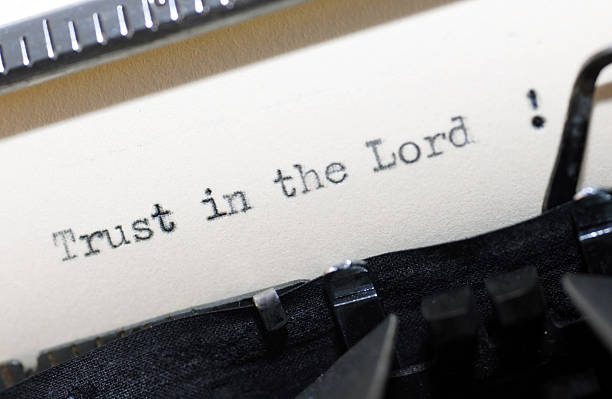
Faith calls the unseen into the seen—your words are the bridge.
When fear whispers, “It’s not here,” remember the rule from the transcript: lack of evidence is not evidence of lack. The delay isn’t denial. The unseen is already in motion.
Try this 60-second faith drill:
Breathe + notice. One deep breath. Relax your shoulders.
Speak the bridge. “God’s promise is working now. Provision is moving toward me.”
Feel it land. Let your chest soften; picture one small sign today.
Seal it. “Thank You—this is already done in the unseen.”
Daily micro-affirmations to keep you aligned:
“I walk by faith, not by sight.”
“Doors open in right timing.”
“I am guided; I am provided for.”
When you talk like this—calm, steady, honest—your heart stops arguing with your future. Speak it, feel it, take the next small step. The seen will follow the unseen.
What Does Affirmation Mean in the Bible for Your Daily Life?
So what does affirmation mean in the Bible from Monday to Sunday? It means you start and end your day by echoing what God says, not what fear says. When your words echo God’s words, your day starts aligned—not anxious.
Morning (3 minutes)
Breathe + open. One deep breath. Hand on heart.
Speak truth out loud.
“God is for me; who can be against me?”
“I lack no good thing.”
“My steps are ordered today.”
Feel it for 60 seconds. Let your chest relax. Picture one small win arriving.
Take one tiny action. Send the email. Apply. Reach out. Faith moves first; matter follows.
Midday Reset (60 seconds)
Notice the wobble. If worry hits, pause.
Bridge with faith: “Provision is moving toward me now. Guidance is here.”
Remember: lack of evidence ≠ evidence of lack. The unseen is not empty—it’s active.
Evening (2–3 minutes)
Gratitude scan. Name three gifts from today, even small ones.
Rewrite the day in faith. “Thank You that the door I need is opening.”
Close with identity: “I’m a spiritual being in a physical body—loved, led, and provided for.”
Phrases to keep on your lips
“I am who God says I am.”
“Wisdom guides my decisions.”
“Strength rises in me.”
“Peace guards my mind.”
“Goodness and mercy follow me today.”
Tiny anchors that help
A verse or line on your mirror.
A phone reminder at 9:00, 12:00, and 3:00 with one truth to speak.
A pocket card that says, “Speak what God says first.”
Affirmations in Scripture: Speak Life, Not Limits
If you’re asking what does affirmation mean in the Bible, it’s simple: speak life. God models it from the start—He speaks, and reality answers. If God said “light be,” you can say “hope be” over your life.
Two patterns to mirror:
“Let the weak say, ‘I am strong.’” Speak strength before you feel strong.
“Say to this mountain…” Don’t describe the mountain; direct it. Tell obstacles to move.
Here’s how to practice it today:
Notice the limit. “I’m not enough. I’m late. I’m stuck.”
Name God’s truth. “I am who God says I am. Wisdom leads me. Doors open.”
Declare it out loud, calm and steady. Hold the feeling for 60 seconds while you breathe.
Journal prompt:
List 3 lies you’ve believed.
Write 3 truths you will declare instead.
Say each truth three times, morning and night.
Starter declarations:
“God is for me; good is on the way.”
“Strength rises in me now.”
“Provision is moving toward me.”
“Peace guards my mind and heart.”
What Does Affirmation Mean in the Bible for Money, Health, and Relationships?
So what does affirmation mean in the bible when it comes to real life? It means you speak God’s truth into the parts of life that feel tight—then you act from that truth. Faith leads; sight follows. Remember: lack of evidence is not evidence of lack.

Money
Core truth: God is my source; I lack no good thing.
Say it (slow): “Provision is moving toward me now. Wisdom guides my choices.”
Feel it (60 sec): Relax your chest. Picture one small win today.
Do one step: Send the invoice. Apply for the role. Tidy your numbers with gratitude. If money feels tight, root your declarations in verse about money in the bible as you send the invoice or apply with peace.
Quick declarations
“Opportunities find me.”
“I steward money with clarity and peace.”
“Doors open in right timing.”
Notice and drop words that block money so your declarations carry faith, not fear.
Health
Core truth: My body is a temple; strength rises in me.
Say it: “Every cell remembers wholeness. Energy returns to my body.”
Feel it: Breathe; let your shoulders drop. See yourself walking strong.
Do one step: Drink water. Take a 10-minute walk. Choose food that loves you back.
Quick declarations
“Peace calms my nervous system.”
“I partner with my body.”
“Healing flows through me.”
Relationships
Core truth: I’m guided to divine connections.
Say it: “I attract honest, kind, growth-minded people.”
Feel it: Picture a warm conversation and mutual respect.
Do one step: Reach out to one person. Give a sincere compliment. Set a clean boundary if needed.
Quick declarations
“I am safe to love and be loved.”
“Clarity and kindness lead my words.”
“Right people recognize me.”
One-minute daily loop
Hand on heart.
Speak the core truth for money, health, and relationships.
Hold the feeling for 20 seconds each.
Take one tiny action that matches your words.
Keep it simple and steady. When your words echo God’s words, your choices shift—and the seen begins to match the unseen.
Final Thoughts — Say It Until Your Heart Believes It
Your words set your path. Keep them simple, true, and steady. If fear tries to speak first, breathe, remember who you are, and answer with faith. When your mouth agrees with God’s promise, your heart starts to rest—and your life begins to match it.
If you’re still wondering what does affirmation mean in the bible, it’s this: speak God’s truth until your heart knows it and your world shows it.
7-Day “Speak Truth” Challenge
Morning (2–3 min): Read one verse, then declare it in your own words. Midday (60 sec): Pause, breathe, and say one promise out loud. Night (2–3 min): Write three gratitudes; end with one identity statement.
Sample declarations to use all week:
“God is for me; good is on the way.”
“I am who God says I am.”
“Peace guards my mind. Wisdom guides my steps.”
Say it calm and certain. Feel it for a moment. Take one small action that matches your words. Keep going. Your heart will catch up—then your reality will, too.